How Long Does Knee Replacement Surgery Take? A Complete Timeline
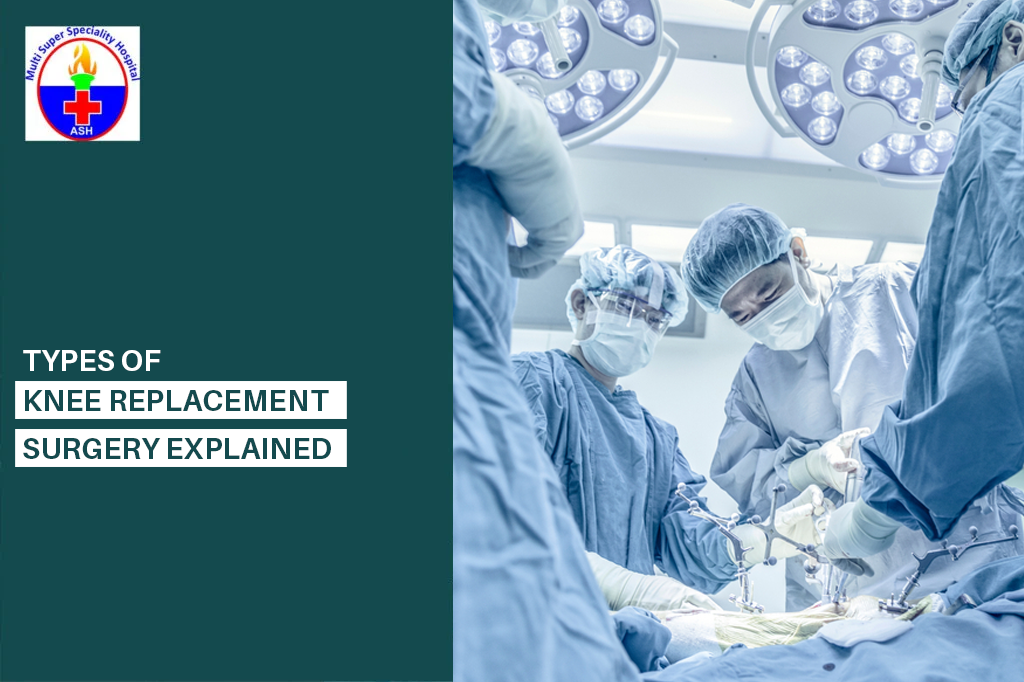
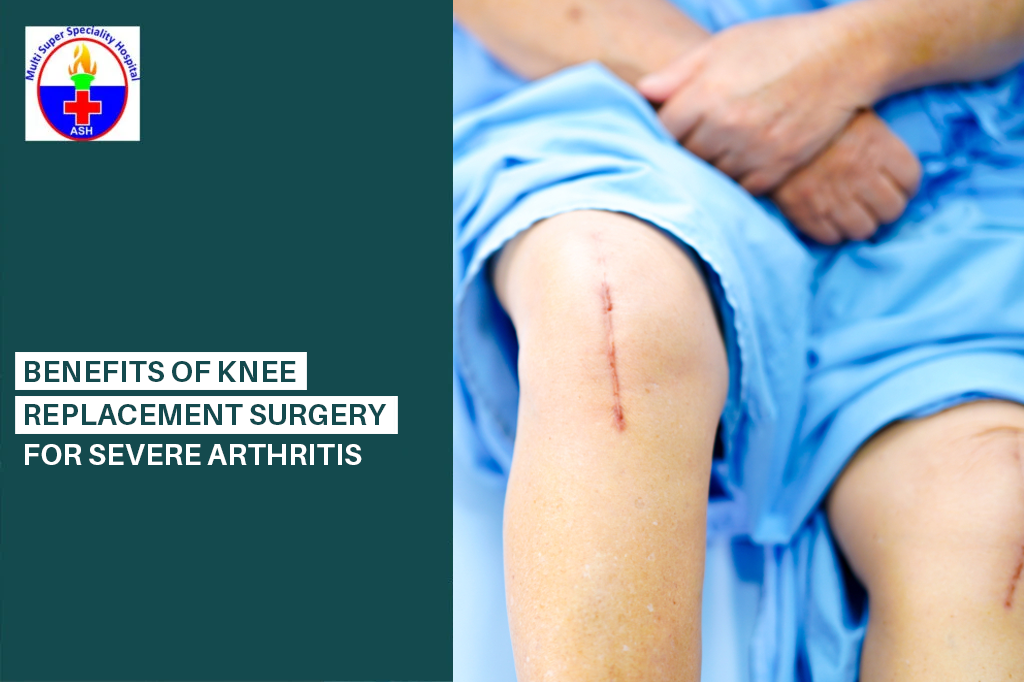
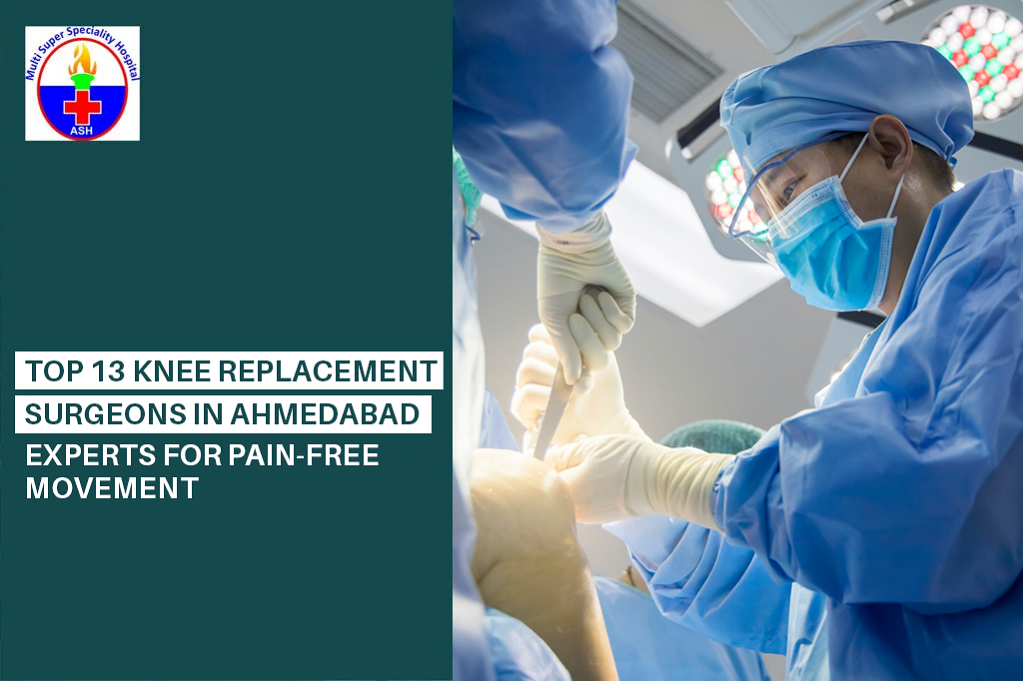
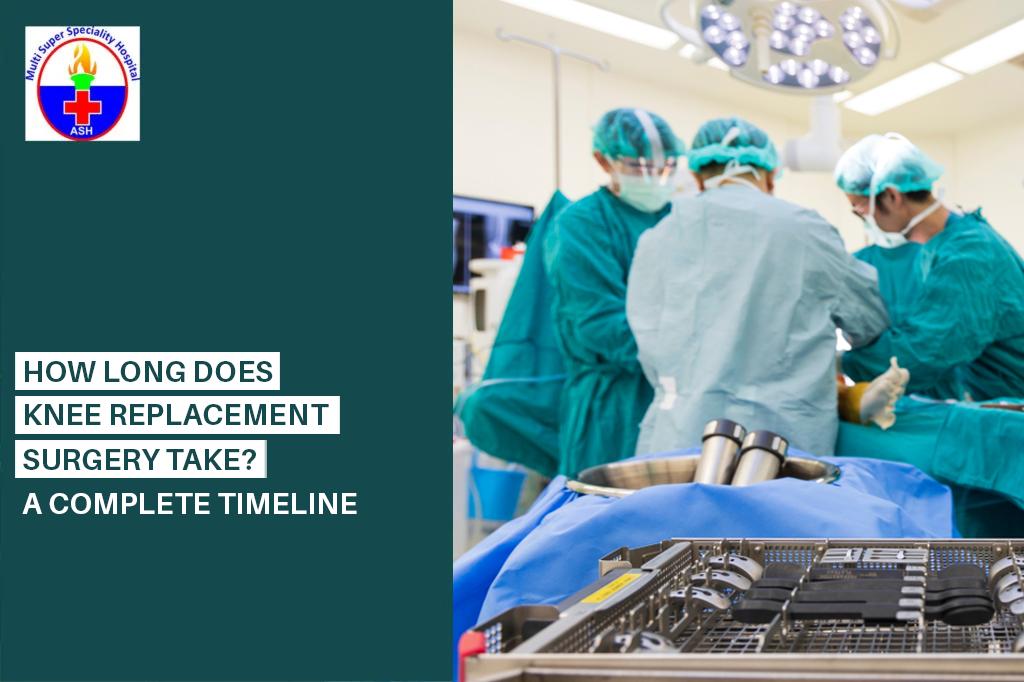
How Long Does Knee Replacement Surgery Take? A Complete Timeline The thought of surgery can be exciting and terrifying when you are dealing with chronic knee pain, the kind that would make a walk to the kitchen seem more of a marathon than a walk. One of the most common questions patients ask during a consultation at Anand Surgical Hospital is,“How long will I actually be in the operating room?” It is a completely natural question. We want to know the “time” involved so we can prepare ourselves and our families. But a knee replacement in Ahmedabad is not just the number of minutes under the operating lights; it is a well-orchestrated experience. Although the real process is relatively fast, the process of preparation and the recovery itself are also crucial components of the clock. We can deconstruct precisely what you will be getting once you leave your care in the hands of an expert. The Day of Surgery: Breaking Down the Hours Your procedure has its stages of time on the day of your procedure. Understanding these stages can significantly reduce the “white coat anxiety” many patients feel. 1. Pre-Operative Preparation Before you even see the operating theatre, you will spend about 60 to 90 minutes in the pre-operative area. During this time, the nursing staff at Anand Surgical Hospital will check your vitals and prepare the surgical site. This is also when you will meet with the anesthesiologist to administer the anesthesia—usually a spinal or general block—to ensure you are completely comfortable. Dr. Rishi Sanghavi or his senior team will perform a final check, marking the specific knee being operated on and ensuring all sterilized equipment is ready for your unique anatomy. 2. The Actual Procedure The real knee replacement in Ahmedabad should normally take 60 to 90 minutes for the experienced surgeon. In this procedure, bone and cartilage are systematically excised, and a prosthetic joint is put in place that is of good quality. This may take a little time depending on the complexity of the arthritis or even previous injuries to be worked around. At Anand Surgical Hospital, advanced technology such as the Pixee Knee+ augmented reality system is used to enhance precision during knee replacement surgery, ensuring accurate implant positioning and improved outcomes. 3. The Recovery Room (PACU) As soon as the new joint is firmly in position and the incision is sewn up, you are not taken immediately back to your room. The Post-Anesthesia Care Unit (PACU) will take approximately 1 to 2 hours. In this case, you will be closely monitored by special nurses as they observe your progress as the anesthetic effect of anesthesia unwinds. They monitor your heart rate, your breathing, and starting pain levels closely. This is essential in guaranteeing a successful post-operative period so that you are stable enough and comfortable in order to transfer to your own recovery room. Why Surgical Efficiency Matters Safety in surgery refers to efficiency. Although rushing is unacceptable in the hands of any surgeon, a deft hand such as Dr. Rishi Sanghavi will make sure that the surgery is carried out without any needless delays. The reduced time spent on surgery implies that the body is not in as much time under the scalpel; this is a major way of minimizing the chances of infection. It also translates to a shorter period under anesthesia, which is far more favorable to your heart and lung functioning, particularly in old patients. In Anand Surgical Hospital, we are oriented to precision first and efficiency is the logical consequence of thousands of hours of experience. Factors That Influence the Length of Surgery Not every knee is the same. Some patients may have severe bone loss or complex deformities caused by years of advanced arthritis, which may require a bit more time for “reconstruction” rather than just replacement. The technology used also plays a role; our hospital utilizes advanced surgical instruments that allow for faster, more accurate fitting of the implant. Additionally, if a patient is undergoing a bilateral procedure (both knees at once), the time will naturally be longer than a unilateral (single) replacement. The “Hospital Stay” Timeline Once the surgery is over, a new clock starts: the recovery clock. Recovery: The Real Timeline for Results The surgery might take an hour, but the “full” result takes time. In the first two weeks, your focus is on wound healing and reducing swelling. By the 3rd week mark, most patients are walking without a walker and can even resume light driving. However, the “gold standard” result—where you forget you even have a prosthetic knee because it feels so natural—usually happens between 3 to 4 months. This is the period where the muscles around the knee regain their full strength. About Dr. Rishi Sanghavi Dr. Rishi SanghaviDirector, Anand Surgical Hospital Pvt. Ltd.Joint Replacement & Trauma Surgeon Conclusion Time is running out, though it is not necessarily running out of more agony. While the surgical procedure itself is a brief chapter of less than two hours, the impact has lasted for decades. Knee replacement surgery is one of the most successful procedures in modern medicine, designed to give you back the independence that arthritis tried to take away. Don’t let the fear of “how long it takes” keep you from the years of mobility you have left to enjoy. To take the next step toward pain-free mobility, contact Anand Surgical Hospital at 9104142796 and schedule your consultation today. Contact Information: 📍 Visit Anand Surgical Hospital Anand Surgical Hospital Pvt. Ltd. Memco Cross Road, Near IOC Petrol Pump,Naroda, Ahmedabad, Gujarat – 382345📞 9104142796